
MADE IN MONGOLIA

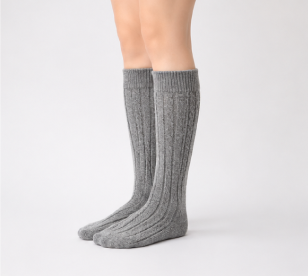

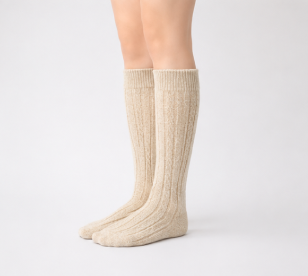


ABOUT MONGOLIAN WOOL
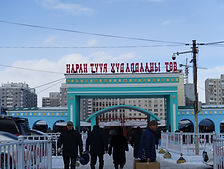
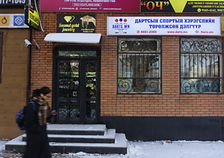
In despair after having my iPhone stolen at the market,
I was walking in Ulaanbaatar,
where the temperature was -8 degrees Celsius.
In the dim light where I couldn't see my feet, I sunk in.
Suddenly, my vision tilted. I had stepped into a puddle.
My feet were soaked in the -8 degree Celsius weather.
I was sure I'd get frostbite.
But even after some time passed, my feet didn't get cold,
even though I could feel the water.
By the time I got home, I'd almost forgotten I was wet.
I was surprised when I took off my shoes.
My socks were almost dry.
And there wasn't a single drop of water on my feet.

The reason it didn't get cold wasn't by chance; it was because the wool, which survives in extreme cold, was working hard.
It repels water converts moisture into heat and blocks out cold air.
Lanolin membrane
Moisture-absorbing heat generation
Air layer insulation
The surface of wool is covered with a scaly layer, which is then coated with lanolin, a type of sheep fat. This fat acts like a waterproof coat, repelling all external water. This is what creates the state where "water comes into contact with the wool but doesn't soak in."
When fabric absorbs moisture from the air or sweat, the moisture reacts deep within the fibers, generating heat. This natural mechanism prevents body heat from escaping even in dry cold, creating warmth on its own.
Mongolian wool has thick, crimped fibers that contain a large amount of air. This air acts as an insulating layer, blocking out the cold air from outside. Even when wet, as long as this air layer is not crushed, the inside remains warm and feels dry.
Designed by nature
5 functions
Scale (epidermis)
water repellency
Does not soak in
The natural lanolin coating on the surface repels water, acting like a waterproof coat. It repels rain, snow, and mud, and is resistant to dirt.
Antibacterial and odor resistant
Odorless
The lanolin film prevents the growth of bacteria, and the wool's proteins adsorb and break down odor-causing substances. They won't smell even after wearing them for several days.

Fibril (fiber bundle)
Humidity control
Breathable
The delicate spaces within the fibers absorb and release moisture. It maintains a comfortable humidity level without becoming stuffy, and when humidity rises, it releases the accumulated moisture to the outside. It also suppresses static electricity.
Moisture-absorbing heat generation
Does not cool
The keratin protein inside generates heat when it absorbs moisture. It's a natural heater that generates its own warmth.
cortex
Thermal insulation
It blocks out cold air and prevents heat from escaping.
Two types of cells in the cortex twist together to form a curl. This curl traps a large amount of air, blocking out the outside air and allowing it to withstand the -40 degree Celsius cold of Mongolia.
Wool from around the world
Five climates create five different hair types.
A sheep's wool reflects the climate of the land where it was born.
Moist grasslands, sea breezes, dry highlands, cold mountains
These differences determine the softness, fat content, elasticity, and how moisture is handled.
Even with the same wool, the properties can be completely different depending on the environment in which the wool was raised.
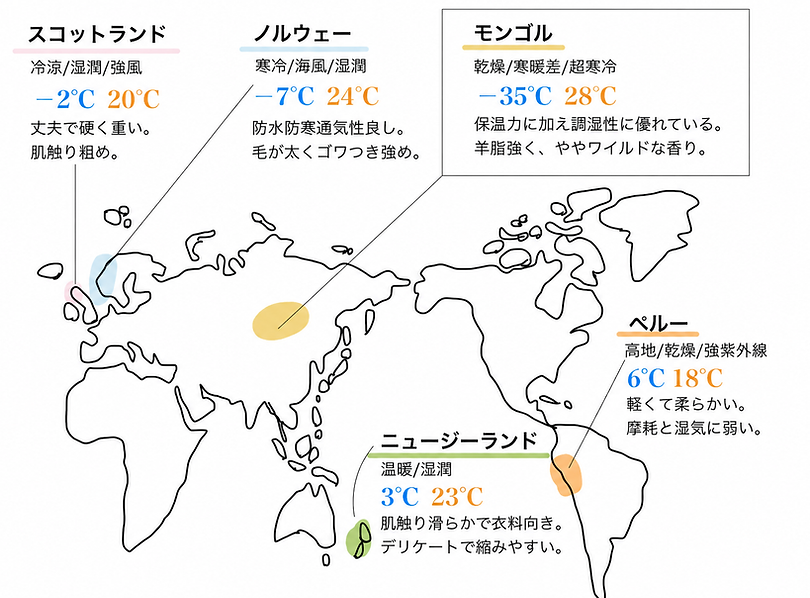
The temperature is low and the air is very dry.
Japanese winter
for
Mongolian wool
The dry earth's moisture-regulating properties convert moisture into heat and release it in just the right amount.
If it's Mongolian wool,
It retains body heat and keeps you warm.
Don't catch a cold from the sweat you produce.
It won't get frostbite if it stays wet.
It doesn't get stuffy inside the kotatsu

These Socks Are Alive
Breathe, absorb water, and generate warmth.
In a world where the annual temperature difference is 70 degrees (winter temperatures of -40 degrees, summer temperatures of 35 degrees),
The sheep in Mongolia are alive.
The humidity is in the 20% range. A cold, dry wind blows, strong enough to kick up sand.
Their fur insulates them from the outside air, they circulate moisture through respiration, and their oils protect them.
These socks embody the wisdom of surviving in nature.
Extreme natural conditions have given rise to extremely resilient hair.
Wholesale
For wholesale inquiries, please send us a message using the form below .
[Terms and Conditions]
Minimum order quantity for first-time orders: 20 items or more in total across all products.
Businesses currently operating physical stores or online shops
We do not accept purchases at wholesale prices for personal use.
[Message contents]
/ Store name or website name
/ Address or web address
Contact person's name